
Who needs data centers in space when they can float offshore?
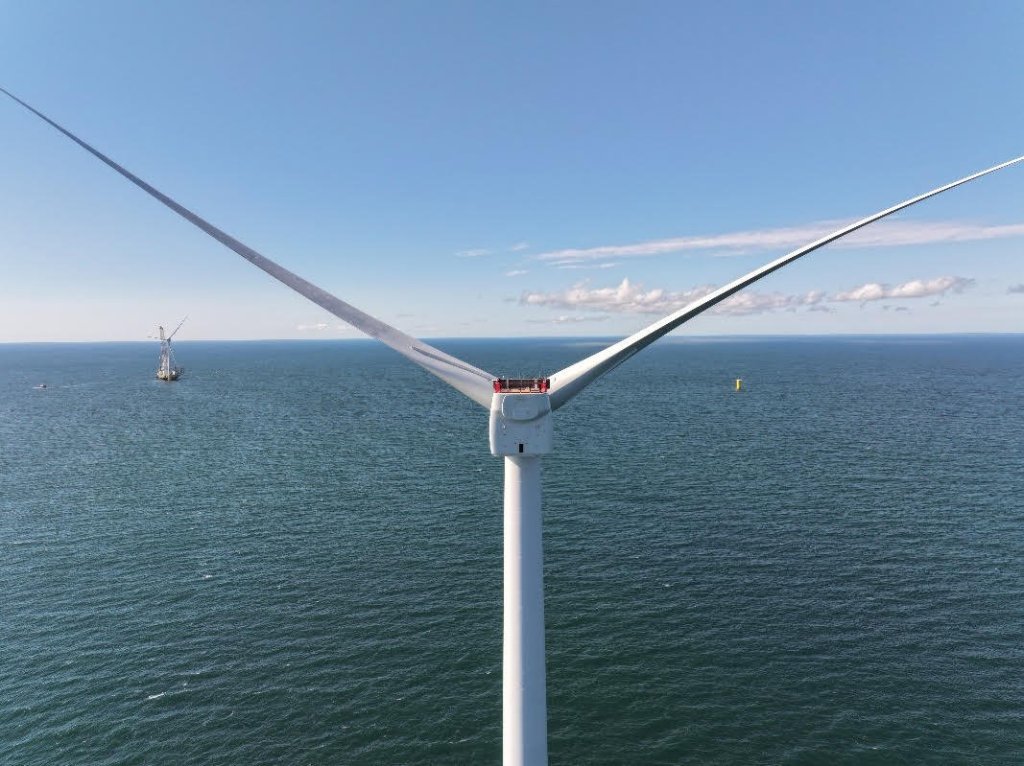
As AI data center power demands soar, startup Aikido plans to launch a submerged 100-kW data center off Norway's coast, powered by a floating wind turbine. This offshore solution seeks to tackle energy accessibility, environmental opposition, and cooling challenges. Building on Microsoft's past underwater trials, Aikido aims for a larger deployment by 2028, despite new hurdles like seawater corrosion.
Key Points
- Aikido plans to submerge a 100-kW demonstration data center off Norway, powered by a floating wind turbine.
- Offshore wind provides consistent power supply and ease of cooling due to cold seawater.
- The offshore location helps overcome local opposition to data centers (NIMBY concerns).
- Potential issues include the harsh ocean environment, requiring equipment to be corrosion-resistant and securely anchored.
- Aikido aims to build a larger 15-18 MW turbine model by 2028 for a 10-12 MW data center.
- Microsoft previously experimented with underwater data centers but abandoned the project by 2024.
Relevance
- The trend of locating data centers offshore aligns with the increasing demand for renewable energy sources and sustainability in tech by 2025.
- The growing challenges posed by AI's energy requirements reflect the broader energy crisis and the need for innovative solutions in technology.
- The interest in underwater data centers connects to the broader narrative of tech companies seeking efficient cooling methods amid climate change concerns.
Aikido's innovative approach to offshore data centers highlights a potential shift in data infrastructure, blending renewable energy with tech needs while addressing environmental hurdles, with lessons learned from earlier Microsoft initiatives.